Discover canton top Synthetic Turf Installation
Discover canton top Synthetic Turf Installation
Blog Article
Man-Made Turf Installation: The Environmentally Responsible Choice for Your Lawn
Installing artificial grass presents a practical option for homeowners seeking a environmentally responsible lawn choice. Its durability and low maintenance requirements offer significant benefits over conventional grass. As water conservation becomes increasingly critical, artificial turf provides an effective response to ecological issues. However, the decision to install artificial grass requires multiple factors that merit thorough review. What elements should property owners weigh before making the transition to this environmentally conscious option?
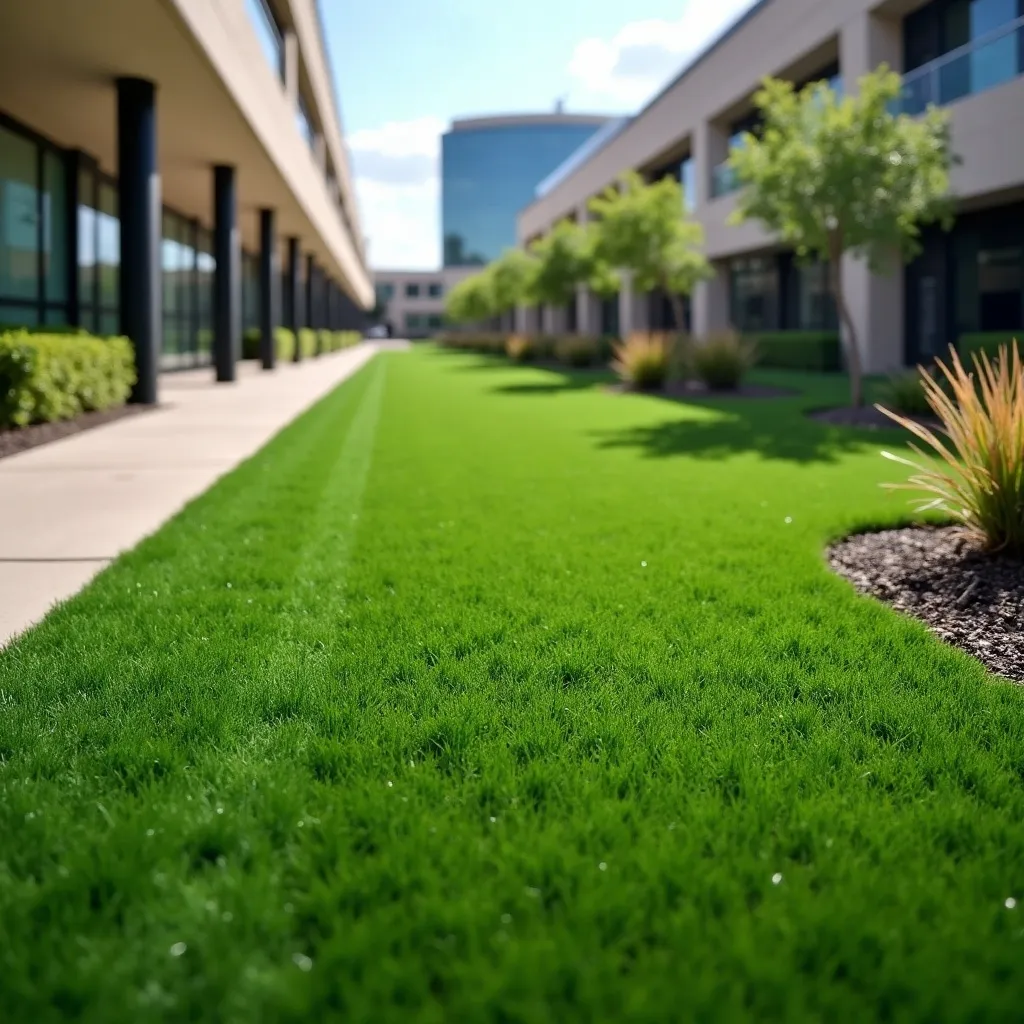
Understanding Synthetic Turf: Key Features and Benefits
Synthetic turf has become a widely-used alternative to natural grass, offering numerous advantages for diverse applications. One of its key features is durability; synthetic grass can resist heavy foot traffic and extreme weather conditions without breaking down. This resilience makes it an ideal choice for sports fields, playgrounds, and residential lawns.
Furthermore, synthetic turf needs minimal upkeep when set against natural grass. There is no requirement for mowing, watering, or fertilizing, producing considerable time and cost economies for homeowners and facility managers alike.
In addition, artificial grass is planet-friendly, as it conserves water and negates the need for harmful pesticides and fertilizers.
As technology progresses, modern synthetic turf reproduces the appearance and feel of natural grass, delivering aesthetic appeal without the drawbacks. These features combined make synthetic turf a viable and attractive option for a wide range of uses.
Installing Synthetic Turf: A Comprehensive Guide
When assessing the advantages of synthetic turf, the next natural step is familiarizing yourself with the installation process.
The initial stage involves site readiness, which includes clearing the area of existing grass, weeds, and debris. Next, a foundation of crushed stone or stone is laid to ensure proper water flow and structural integrity. Following this, a weed barrier is installed to inhibit unwanted vegetation.
Once the base is set up, the synthetic turf rolls are unrolled and positioned, facilitating proper alignment. The edges are secured with stakes or adhesive, guaranteeing a seamless appearance.
After placement, a layer of filler material, such as rubber or sand, is applied evenly to offer weight and support. Finally, the turf is brushed to elevate the strands and produce a authentic appearance.
Implementing these steps yields a durable, low-maintenance lawn that enriches both beauty and utility.
Why Select Synthetic Turf? Ecological and Practical Advantages?
Installing synthetic turf offers many environmental and practical benefits that make it an attractive option for numerous homeowners and businesses. One significant benefit is conserving water; artificial turf eliminates the requirement for routine irrigation, which is especially advantageous in arid regions.
In addition, it reduces the dependence on toxic pesticides and fertilizers, fostering a more sustainable ecosystem.
From a realistic angle, synthetic turf calls for scant servicing, saving hours and dollars on lawn care. It keeps rich and verdant throughout the year, providing a consistent aesthetic appeal without seasonal fluctuations.
Additionally, synthetic turf offers durability, designed to resist heavy foot traffic and various weather conditions, making it suitable for both residential and commercial applications.
These aspects not only strengthen the operational efficiency of garden areas but also reinforce long-term eco-friendliness, showcasing synthetic turf as a desirable preference for environmentally conscious buyers.
Essential Factors for Synthetic Turf Implementation
Multiple factors must be considered before starting synthetic turf setup. First, it is vital to assess the planned purpose of the area. Various types of synthetic turf are created for specific applications, such as sports or residential grounds maintenance.
Second, the regional climate conditions should be taken into consideration; some materials may survive heat better than others.
Site readiness is another reference critical aspect, demanding proper drainage and a level surface to guarantee durability and performance. Furthermore, potential regional requirements or community association guidelines may determine installation choices.
Finding the optimal infill option is essential for stability and comfort, as it impacts both the appearance and feel of the turf.
Ultimately, picking a reliable installer can substantially impact the quality and longevity of the installation. By addressing these aspects, homeowners can make educated decisions that most suitably match their needs and enhance their outdoor areas.
Caring for Your Synthetic Turf Lawn
A synthetic turf lawn needs a consistent cleaning schedule to guarantee that its longevity and appearance are preserved.
Regular maintenance includes dealing with any issues and utilizing restoration methods as required.
Maintain a consistent cleaning schedule
Maintaining the look and durability of synthetic turf lawns depends on a regular maintenance plan. Regular maintenance helps prevent debris buildup, minimizes odors, and enhances aesthetic appeal.
Homeowners should strive to clear leaves, twigs, and other organic materials at least once a week, especially during fall. Additionally, rinsing the turf with water on a monthly basis can help eliminate dust and allergens, ensuring a fresh look.
For high-traffic areas, more frequent attention may be required to preserve the grass quality. In colder months, snow and ice should be gently cleared to avoid damaging the blades.
Locating and Fix Guidelines
Pinpointing and addressing difficulties right away is essential for sustaining the strength of synthetic turf lawns. Regular reviews should be done to uncover marks of injury, such as tears, fraying, or sloped surfaces.
Upon detecting a problem, immediate action is imperative. Minor tears can be repaired with dedicated adhesive or turf tape, ensuring a secure bond without affecting appearance. For larger issues, professionals may be required to replace sections of turf.
In addition, preserving the base material intact is important; any movement can result in further complications. Regular brushing helps maintain an smooth finish and can also detect latent issues.
Price Comparison: Synthetic Turf vs. Natural Grass
When weighing the costs of synthetic turf to natural grass, initial installation expenses represent a key consideration.
Furthermore, prolonged maintenance costs can substantially affect the overall financial commitment of each option.
A thorough examination of these factors delivers essential understanding for potential buyers.
Upfront Installation Expenses
Setup fees are important in the decision-making process for residents and city officials assessing synthetic turf against natural grass.
In general, the upfront costs for synthetic turf can vary from $5 to $20 per square foot, depending on quality and installation complexity. In contrast, natural grass installation usually costs between $1 to $2 per square foot.
However, the complete investment in natural grass can increase markedly due to ground preparation, watering needs, and ongoing upkeep demands.
Property owners and local authorities must compare these first-time expenses against the achievable future returns of artificial turf, such as curtailed water use and diminished maintenance needs.
In the end, grasping these costs supports making well-informed, sustainable landscaping decisions.
Sustained Maintenance Expenditures
Long-term maintenance expenses prominently impact the overall cost-effectiveness of synthetic turf compared to natural grass.
Natural grass calls for perpetual costs, incorporating routine trimming, application of fertilizers, consistent moisture, and pest and disease prevention, which can mount rapidly over time. Homeowners may spend hundreds to thousands of dollars per annum to maintain a vibrant lawn.
By contrast, synthetic turf needs minimal care, chiefly occasional cleaning to remove unwanted particles. While the initial investment for synthetic turf may be greater, the diminished long-term expenses render it an attractive alternative.
Moreover, artificial grass reduces water bills tied to irrigation, further maximizing its affordability over time.
In the end, the financial advantages of artificial grass maintenance can lead to substantial savings for homeowners in the long run.
Challenging Common False Beliefs About Synthetic Turf
Although numerous individuals hold misconceptions about synthetic turf, grasping the truth can result in informed decisions. One prevalent myth is that synthetic turf is damaging to the ecosystem; however, many products are made from reclaimed resources and are designed to be long-lasting, reducing waste.
A frequent assumption is that synthetic turf requires excessive heat management, but modern installations often incorporate reliable cooling technologies that alleviate temperature issues.
In addition, some critics insist that artificial grass promotes synthetic chemicals; yet, improvements in materials have substantially diminished the demand for injurious infill substances.
In conclusion, the notion that synthetic grass cannot support biodiversity is misleading; many installations can coexist with native plants, offering habitats for local wildlife.
Often Requested Questions
What Is the Duration of Synthetic Turf Before Needing Replacement?
Manufactured turf usually functions between 15 to 25 years before requiring replacement. Components influencing longevity include excellence, care practices, and atmospheric circumstances, which can greatly impact its durability and overall performance over time.
Companion Animals and Synthetic Turf: Is It Safe for Your Treasured Companions?
Pets can securely enjoy synthetic turf, as it is created to be durable and non-toxic. Consistent care assures cleanliness, making it a practical option for pet owners pursuing a minimal-effort, delightful outdoor space for their animals.
Can Synthetic Turf Absorb Heat During Bright Weather?
Certainly, synthetic turf does soak up heat in bright conditions, considerably raising surface temperatures. This can produce strain for both humans and pets. Regular irrigation or selecting lighter-shade turf can help reduce this heat absorption.
Which Selections Are There for Artificial Grass Colors and Finishes?
Artificial turf choices comprise multiple colors, including intense greens, earthy browns, and exclusive shades. Styles vary between lifelike mimicry of natural grass to decorative designs, meeting diverse aesthetic preferences and practical requirements.
In What Ways Does Synthetic Turf Influence Native Wildlife?
Synthetic turf can disrupt local wildlife by changing ecosystems and reducing natural food sources. Its inflexibility may deter certain species from nesting or foraging, potentially leading to decreased species diversity in the impacted regions.
Report this page